
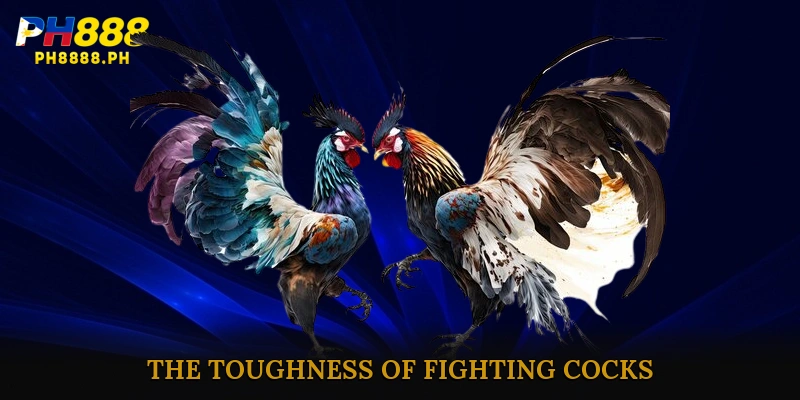
The toughness of fighting cocks has long fascinated enthusiasts, showcasing unmatched strength, endurance, and fighting spirit. These birds display incredible resilience in every challenge they face, proving their determination and power. At PH888, fans can explore the skill, strategy, and bravery that make these cocks legendary, while appreciating the dedication required to raise and train them. Experience the true essence of toughness and witness a tradition that demands respect and admiration.
What is The toughness of fighting cocks?

Understanding the concept of resilience in battle, “The toughness of fighting cocks” is not just about strength—it’s about endurance, focus, and mental fortitude. Resilient fighting cocks often:
- Maintain a relentless fighting spirit until the very last moment, showing no signs of surrender even when facing a stronger opponent.
- Remain composed under pressure, not easily intimidated or disoriented by powerful strikes from their adversary.
- Demonstrate remarkable consistency and stamina, sustaining their performance throughout the match without faltering.
- Exhibit confidence in new or challenging situations, attacking steadily and strategically, without hesitation or fear, even when encountering larger or more experienced opponents.
- Respond to adversity with adaptability, adjusting their movements and tactics while keeping their composure intact.
For example, a young fighting cock entering the arena for the first time may face a seasoned rival. If it continues to advance confidently, executing attacks with precision and showing no panic, this clearly illustrates high resilience. Observing these traits helps enthusiasts and trainers recognize the dedication, training, and natural courage that define a truly tough fighting cock, highlighting the balance of physical skill and mental strength that makes these birds legendary in the arena.
Factors Influencing Resilience in Fighting Cocks

When examining what makes a fighting cock truly resilient, several critical factors come into play. The toughness of fighting cocks and consistency of these birds are not accidental; they are the result of a combination of genetics, physical conditioning, mental preparedness, and training environment. Understanding these factors helps breeders, trainers, and enthusiasts identify which birds have the potential to excel in the arena.
Genetic Heritage
One of the most influential elements affecting resilience is genetics. The toughness of fighting cocks is often inherited from generations of selective breeding. Certain bloodlines are renowned for their unwavering spirit and ability to withstand challenges. Breeders meticulously choose pairs based on past performance, endurance, and temperament, aiming to pass down traits such as courage, determination, and the ability to recover quickly from fatigue or minor injuries. This selective approach ensures that offspring have the innate potential to endure prolonged and intense matches, giving them an advantage in both skill and mental fortitude.
Physical Strength and Health
Another vital factor is physical condition. Fighting cocks with well-developed muscles, strong skeletal structures, and excellent overall health typically display greater resilience. Proper nutrition, regular exercise, and preventive care all contribute to maintaining peak physical performance. Birds with robust cardiovascular systems and strong wings and legs are better equipped to sustain repeated attacks and agile movements. Injuries or health weaknesses can severely reduce a cock’s ability to perform under stress, making physical fitness a cornerstone of durability and the toughness of fighting cocks.
Mental Fortitude and Fighting Spirit
Beyond genetics and health, mental toughness plays a decisive role. The toughness of fighting cocks is often defined by their ability to stay focused, composed, and aggressive under pressure. Birds with prior experience in matches develop a higher tolerance for stress and unexpected situations, learning to react strategically rather than panic. Training techniques that simulate real match conditions help develop a cock’s confidence and decision-making skills. Environmental factors, such as social interactions with other birds and the quality of the care and attention they receive, also influence their ability to handle stress.
See more: Raising chickens with spurs effectively
How to Identify a Resilient The toughness of fighting cocks

Identifying a resilient fighting cock is not always straightforward. Observing behavior, physical condition, and in-match responses is crucial for breeders and enthusiasts seeking birds with exceptional endurance and spirit. By carefully monitoring these aspects, trainers can determine which birds possess the qualities needed to excel in the arena.
Observing Personality and Reactions
One of the first steps in recognizing toughness is watching a bird’s temperament and reactions. The toughness of fighting cocks can often be seen through:
- Fearlessness when opponents approach, showing no signs of retreat.
- Maintaining a solid stance without constantly evading attacks.
- Quick, agile responses to unexpected situations or sudden strikes.
For instance, during a trial match, a resilient bird will stand firm, continuing to attack steadily even if temporarily overwhelmed by the opponent. These behavioral cues are key indicators of mental strength and confidence, distinguishing birds that remain composed under pressure from those easily intimidated.
Assessing Physical Condition and Endurance
Another critical method is evaluating stamina and overall fitness. Physical endurance is a core component of resilience. Trainers may test this by:
- Allowing the bird to run continuously for five to ten minutes while observing its ability to maintain a consistent pace.
- Monitoring recovery speed after strenuous exercises to see how quickly the bird regains strength.
- Evaluating attack reflexes after fatigue to determine whether performance drops under stress.
Fighting cocks with strong endurance continue their offensive movements without showing signs of early exhaustion. A bird that tires slowly and maintains agility demonstrates not only superior physical conditioning but also mental determination to persist, which is essential for in-match The toughness of fighting cocks.
Recognizing Resilience in Actual Matches
Practical match experience offers the most accurate insights into a bird’s the toughness of fighting cocks. By participating in controlled fights, trainers can observe:
- How the bird handles pressure from opponents, including high-intensity attacks.
- Persistence when trailing or at a disadvantage, showing refusal to give up.
- The frequency and effectiveness of natural tactical adjustments during combat.
Observing a cock in real match situations reveals its ability to combine learned skills with instinctive reactions. Birds that adapt naturally while sustaining offensive actions reflect a high level of mental and physical resilience.
Tips for Enhancing Resilience in The toughness of fighting cocks

Improving a fighting cock’s resilience requires a combination of strategic training, careful observation, and progressive challenges. By creating the right conditions, trainers can cultivate stronger, more determined birds capable of maintaining focus and stamina under pressure.
Utilizing a Diverse Training Environment
One effective approach is exposing the bird to varied training environments. Different settings stimulate adaptability and reinforce toughness. The toughness of fighting cocks is often developed when they encounter diverse challenges that mimic real match conditions. Some practical methods include:
- Changing the terrain: Rotate between soft soil, sand, and harder surfaces to develop stability and balance.
- Introducing obstacles: Adding barriers or uneven surfaces helps improve reflexes and agility.
- Adjusting sensory inputs: Acclimating birds to different sounds, lighting, or unexpected movements strengthens focus and reduces fear responses.
These strategies encourage the bird to react confidently to unpredictable conditions, enhancing both mental and physical resilience.
Combining Physical and Mental Training
To achieve maximum results, physical conditioning should be paired with mental fortitude exercises. Gradually increasing the difficulty of workouts builds stamina without overexertion. Key points include:
- Progressively intensify exercises while monitoring for signs of fatigue.
- Ensure proper rest and recovery periods to allow muscles and energy levels to replenish.
- Continuously assess the bird’s reactions to different drills, adjusting routines as needed for optimal growth.
By integrating both body and mind training, birds develop the endurance to sustain performance over long sessions and the focus to maintain composure in stressful situations.
Monitoring Progress and Adjusting Regimens
Tracking the bird’s progress is essential for refining training strategies. Maintaining a detailed training log allows trainers to identify patterns, strengths, and areas needing improvement. Consider the following steps:
- Record training duration, intensity, and the bird’s behavioral responses.
- Adjust diet and exercise routines based on observed performance and recovery.
- Avoid excessive pressure, ensuring a balance between challenge and well-being to prevent burnout.
Regular evaluation ensures that each bird progresses steadily, improving both stamina and strategic response. Birds trained with consistent monitoring often show heightened confidence and adaptability, key traits of resilient fighters.
The toughness of fighting cocks continues to inspire admiration for their courage, resilience, and unyielding spirit. These remarkable birds symbolize strength and determination in every move, reflecting centuries of tradition and skill. At PH888, enthusiasts can witness the intensity and strategy behind each encounter, appreciating the dedication required to nurture such power. Truly, their legacy goes beyond the arena, leaving a lasting impression of bravery and endurance.





