

Raising chickens with spurs effectively requires a blend of proper care, strategic training, and environmental adjustments. By focusing on strength, agility, and mental resilience, breeders can nurture birds capable of excelling in challenges. Observing behavior, monitoring health, and adapting routines are key to unlocking their full potential. At PH888, enthusiasts can explore methods to enhance performance and ensure their chickens thrive, mastering the balance between physical conditioning and tactical preparedness.
Understanding Raising chickens with spurs effectively

Before attempting to raising chickens with spurs effectively, it is essential to gain a deep understanding of their biology, behavior, and breed classifications. Chickens with spurs are a specialized breed often used in competitive matches due to their strong, sharp spurs, muscular build, and quick reflexes. These physical traits give them the ability to react swiftly and maintain dominance in confrontations, making them highly valued among enthusiasts and breeders.
Behaviorally, these birds are naturally alert and aggressive, which contributes to their combat capabilities. They exhibit keen awareness of their surroundings and respond rapidly to threats or challenges, traits that are crucial for survival and performance in competitive settings. Observing these behaviors early on allows trainers to tailor care and training routines that enhance both agility and endurance.
Breed classification is another important factor. Chickens with spurs come in various lines, each with unique characteristics in terms of size, muscle structure, temperament, and stamina. Understanding these differences helps breeders select birds suited for specific training goals and match strategies. This knowledge also informs dietary and exercise plans, ensuring that each bird develops optimal strength and resilience.
Physical conditioning is critical, as endurance and fighting spirit directly impact success in competitions. Birds with well-maintained health, strong cardiovascular systems, and muscular strength tend to perform better and recover more quickly from exertion. By monitoring growth, behavior, and physical responses, trainers can adjust routines to reinforce natural strengths and correct weaknesses.
Biological Characteristics of Raising chickens with spurs effectively
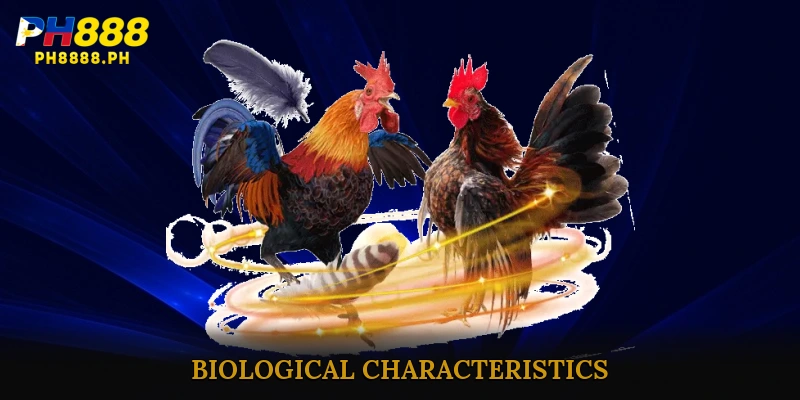
Understanding the biology of chickens with spurs is essential for breeders aiming to optimize their performance. These birds are not only physically robust but also exhibit unique traits that make them well-suited for competitive activities. Raising chickens with spurs effectively requires a detailed knowledge of their muscle structure, reflexes, and susceptibility to certain health issues, ensuring they develop strength, agility, and resilience.
Muscular Structure and Agility
One of the most noticeable features of chickens with spurs is their well-developed musculature, especially in the legs and wings. Strong leg muscles provide stability and power during movement, enabling quick sprints and agile turns. Similarly, powerful wings aid in balance and sudden directional changes, which are critical during confrontations. These muscular adaptations allow the birds to maintain swift reflexes, dodge attacks, and react instantly to their opponent’s moves. Birds with properly conditioned muscles tend to have enhanced endurance, allowing them to sustain performance over extended periods of activity.
Spurs as Primary Weapons
The spurs themselves are the primary tools of offense in these chickens. Hard and sharp, they serve as natural weapons that can inflict significant impact during competitive matches. The length, shape, and rigidity of spurs vary among individuals, but all require careful monitoring to prevent injury to the bird or its handlers. Training routines often incorporate exercises that enhance control, timing, and precision, allowing chickens to use their spurs effectively without compromising safety. Recognizing the importance of these weapons is a fundamental aspect of raising chickens with spurs effectively.
Health and Disease Resistance
Chickens with spurs typically exhibit strong overall health and good natural resistance to common illnesses. However, they are prone to specific digestive and respiratory issues if their living conditions are not properly maintained. Poor sanitation, inadequate ventilation, and improper feeding can lead to infections that compromise strength and agility. Regular health checks, clean enclosures, and a balanced diet are critical to maintaining optimal condition. Monitoring weight, feather quality, and behavior provides early signs of stress or illness, allowing timely interventions that preserve the bird’s performance capabilities.
See more: Philippine Cockfighting
Housing and Environment for Raising chickens with spurs effectively

A properly designed housing system directly impacts the health, growth, and overall performance of chickens with spurs. Creating an environment that supports physical development, hygiene, and freedom of movement is crucial. Raising chickens with spurs effectively depends not only on nutrition and training but also on ensuring they live in a well-ventilated, clean, and adequately lit space.
Cage Size and Construction Materials
The size and structure of the coop are critical for the birds’ comfort and mobility. A spacious coop with a height between 1.5 to 2 meters allows each chicken to move freely, stretch its wings, and exercise without restriction. Overcrowding can lead to stress, increased aggression, and health problems, undermining training efforts.
When choosing construction materials, durability and hygiene are top priorities. Wood or rust-resistant steel is ideal for the coop’s frame, offering stability while being easy to clean. Floors should be lined with dry sand or rice husks, which help absorb moisture and reduce bacterial growth. Proper drainage systems prevent water accumulation, keeping the environment dry and minimizing the risk of infections that could affect performance.
Maintaining a Clean and Well-Ventilated Environment
Environmental conditions inside the coop play a vital role in promoting the wellbeing of chickens with spurs. Maintaining humidity around 50–60% and a stable temperature of 25–30°C provides optimal comfort for growth and endurance. Regular cleaning of the coop, including replacing bedding 2–3 times per week, helps prevent the buildup of harmful bacteria and keeps the birds healthy.
Ventilation is equally important. Installing fans or ventilation windows prevents the accumulation of mold and toxic gases, such as ammonia, which can cause respiratory issues or stress. Fresh air circulation also ensures that the birds remain alert, supporting their reflexes and stamina during training sessions.
Space for Movement and Exercise
Chickens with spurs require sufficient room for physical activity. Coops should allow the birds to walk, run, and flap their wings freely, which strengthens muscles and enhances agility—key traits for competitive performance. Integrating perches and small obstacle areas encourages natural behaviors, improving coordination and mental sharpness.
Monitoring and Adjusting Environmental Factors
To maximize results, breeders should continuously monitor environmental conditions. Temperature, humidity, and cleanliness must be regularly checked, and adjustments made when necessary. Birds respond well to consistent routines, but gradual environmental variations can help build adaptability, a crucial component of raising chickens with spurs effectively.
Integration with Training Practices
Housing and environment are integral parts of a holistic approach to training. A clean, spacious, and well-ventilated coop not only prevents illness but also facilitates consistent physical conditioning and reflex exercises. Raising chickens with spurs effectively requires aligning the living conditions with targeted training sessions, ensuring that birds are physically fit, mentally alert, and ready to respond in competitive situations.
Selecting Breeds and Care for Raising chickens with spurs effectively

Choosing the right breed and providing proper care is the foundation for success in raising chickens with spurs. Starting with a healthy chick significantly improves growth, combat ability, and reduces susceptibility to disease. Raising chickens with spurs effectively begins with careful selection and continues with consistent health monitoring, nutrition, and training.
Choosing Healthy Chicks
Selecting vibrant, healthy chicks is the first critical step. Key traits to look for include:
- Active behavior and alertness, indicating strong energy and vitality.
- Smooth, shiny feathers and bright, clear eyes as signs of good health.
- Well-proportioned body structure, free of deformities or weakness.
Avoid chicks that show signs of illness or weakness, such as ruffled feathers, dull eyes, or lethargy. Sourcing chicks from reputable breeders with verified health certifications and clear lineage ensures better genetic quality and reduces the risk of hereditary diseases.
Vaccination and Routine Health Care
Chickens with spurs require regular vaccinations and health checks to maintain peak condition. Essential vaccines include Newcastle, Gumboro, and Marek disease. Weekly health inspections are crucial to detect early signs of illness. Any sick bird should be immediately isolated to prevent the spread of disease. Proper hygiene, clean water, and sanitized feeding equipment are essential to maintain overall flock health. Raising chickens with spurs effectively depends on these preventive measures to reduce illness-related setbacks.
Proper Nutrition for Growth and Endurance
A balanced diet directly impacts strength, stamina, and recovery. Recommended nutrition includes:
- Grains like rice, corn, and legumes provide energy-rich carbohydrates.
- Protein sources such as fish, meat, or eggs to support muscle development.
- Vitamins and minerals including calcium, phosphorus, and vitamins A, D, and E to boost immunity and overall resilience.
Feeding should occur 2–3 times daily, ensuring access to clean water at all times. Adjust portion sizes according to age and activity level to prevent overfeeding or undernourishment.
Raising chickens with spurs effectively ensures birds reach their full potential, combining strength, agility, and mental resilience. By maintaining consistent training, proper nutrition, and attentive care, breeders can cultivate birds that perform confidently and adapt strategically to challenges. Observing progress and making thoughtful adjustments enhances both skill and endurance. At PH888, enthusiasts can apply these techniques to achieve optimal results, fostering chickens that are healthy, responsive, and ready for any competitive environment.





