

How to raise fighting chickens requires careful attention to nutrition, training, and overall care to develop strength, agility, and endurance. Proper feeding routines, regular exercise, and skill-building drills help birds reach their peak potential. Observing behavior and adapting training methods ensures each chicken grows resilient and responsive. At PH888, enthusiasts can explore strategies and insights that support optimal development, enhancing both performance in matches and the overall well-being of these remarkable gamecocks.
Introduction to How to raise fighting chickens
Fighting chickens are specially bred and trained roosters developed for participation in cockfighting matches. These birds are not only recognized for their endurance and combat skills but also reflect the owner’s knowledge of breeding, nutrition, and training techniques. Proper care and management maximize a bird’s fighting potential while promoting long-term health and vitality.
Typically, fighting chickens are strong, healthy roosters selected carefully from traditional fighting breeds. They possess well-developed muscles, sharp spurs, agile movement, and quick reflexes. Among the popular breeds are Philippinesese fighting chickens, American gamecocks, and Asil roosters, each offering unique strengths in terms of power, speed, and tactical combat abilities. Selecting the right breed and maintaining consistent training routines are crucial steps in developing a competitive fighting chicken.
Fighting chickens have a long history in Philippines and other Southeast Asian countries, dating back hundreds of years. Originally raised for entertainment and community gatherings, they have evolved into a cultural symbol and a thrilling form of recreational sport. Cockfighting events often serve as social occasions where enthusiasts exchange techniques, showcase their birds, and strengthen communal bonds. According to surveys conducted by the Philippines Cockfighting Association, over 70% of participants report that caring for and training their fighting chickens is a central activity throughout the week, highlighting the dedication required to maintain peak performance.
Understanding the principles of breeding, nutrition, and exercise is essential. How to raise fighting chickens effectively involves combining careful selection, structured training, and attentive care to ensure birds develop strength, speed, and agility. With consistent effort and knowledge, owners can cultivate fighting chickens that are not only competitive in matches but also healthy, resilient, and representative of centuries-old traditions.
Popular How to raise fighting chickens Breeds

Understanding the characteristics of different fighting chicken breeds is essential for anyone interested in competitive cockfighting. How to raise fighting chickens effectively depends on selecting the right breed for your training goals and match conditions. Some of the most popular breeds include:
- American Gamecocks: These birds are renowned for their exceptional strength and speed. Their muscular build and aggressive fighting style make them ideal for high-intensity matches. American gamecocks require rigorous training and consistent nutrition to maintain peak performance during competition.
- Asil Chickens: Known for their elegant posture and remarkable endurance, Asil chickens are built for prolonged fights. They possess both physical strength and mental resilience, allowing them to sustain energy over longer bouts. Breeders often focus on controlled training routines to enhance stamina and reflexes while preserving the bird’s natural fighting instincts.
- Philippine Gamecocks: Valued for their quick reflexes and adaptability, Philippine gamecocks thrive in diverse climates and housing conditions. Their agility and tactical instincts make them effective in matches requiring swift decision-making and rapid responses. Proper care, including balanced nutrition and strategic exercise, ensures these birds remain healthy, alert, and competitive.
Criteria for Selecting Quality Fighting Chickens
Choosing a high-quality fighting chicken is essential for success in competitive matches. How to raise fighting chickens effectively begins with selecting birds that possess the right physical traits and overall health. Key factors to consider include:
- Legs and Spurs: Inspect the legs to ensure they are straight, sturdy, and free from deformities. Spurs should be sharp, strong, and properly aligned, as they play a critical role during fights. Well-formed legs and spurs allow the bird to maintain balance and deliver powerful strikes.
- Feathers: Look for smooth, dense plumage, particularly around the wings and tail. Healthy feathers indicate proper nutrition and overall vitality. A bird with glossy, well-maintained feathers is more likely to be resilient and agile in matches.
- Posture and Musculature: The chicken should have a well-proportioned body with well-developed muscles. Observe its gait—birds that move fluidly with balanced posture often demonstrate better agility and strength. Strong muscle tone in the chest, legs, and wings is crucial for endurance and combat effectiveness.
- Overall Health: A quality fighting chicken shows no signs of illness. Bright, clear eyes, a firm beak, and responsive behavior are indicators of good health. Active reflexes and alertness suggest the bird can react swiftly to opponents’ movements and maintain stamina throughout a match.
Housing and Environment for Fighting Chickens

The living environment plays a crucial role in maintaining the health, spirit, and combat performance of fighting chickens. How to raise fighting chickens effectively begins with providing a clean, well-ventilated, and well-lit coop that avoids excessive dampness, ensuring the birds remain active, alert, and physically strong.
Coop Size and Location
Proper sizing and positioning of the chicken coop are essential for both safety and optimal development. Each bird should have at least 1.5 square meters of space to move freely. The coop should be oriented to receive natural sunlight while avoiding direct drafts, which can stress the chickens. Floors can be covered with sand, soil, or rice husk bedding to absorb waste, maintain hygiene, and provide comfortable footing. How to raise fighting chickens effectively requires attention to these details, as cramped or poorly ventilated housing can negatively impact growth, endurance, and morale.
Cleanliness and Safety Measures
Maintaining cleanliness is critical for disease prevention and overall well-being. Daily cleaning routines should include removing waste, changing water, and disinfecting the coop regularly. Fencing or protective barriers are recommended to keep predators out and safeguard the chickens from external hazards. Research from the Philippines Livestock Institute shows that proper coop hygiene can reduce the risk of illnesses by up to 60%, highlighting the importance of regular maintenance.
Environmental Enhancements
In addition to basic cleanliness, enhancing the coop environment can improve the performance and mental sharpness of fighting chickens. Providing perches, open space for light exercise, and exposure to natural stimuli helps develop coordination, strength, and confidence. Observing the chickens’ behavior in these conditions allows breeders to adjust lighting, bedding, and ventilation as needed. How to raise fighting chickens successfully involves not only physical training but also creating an environment that fosters resilience, adaptability, and alertness.
See more: Cockfighting
Nutrition and Care for How to raise fighting chickens
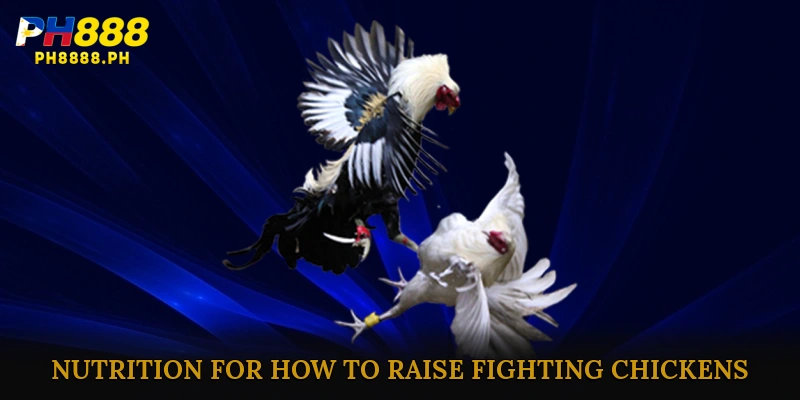
Proper nutrition is a fundamental factor in determining the health, muscle development, and combat ability of fighting chickens. How to raise fighting chickens effectively requires a well-balanced diet that supports overall growth, reduces the risk of disease, and enhances energy levels during matches.
Feeding Guidelines for Fighting Chickens
Providing the right types of food ensures optimal physical development and stamina:
- Grains: Corn, rice, and wheat serve as essential sources of energy for daily activity and intense training sessions.
- Legumes: Green beans and soybeans are rich in protein, aiding in muscle growth and recovery.
- Insects: Crickets and earthworms enhance endurance and improve reflexes, simulating natural hunting behavior.
- Vitamins and Minerals: Fresh vegetables, fruits, and crushed eggshells supply essential nutrients that strengthen bones, feathers, and overall immunity. How to raise fighting chickens successfully depends on consistently providing these nutrient-rich foods in proper proportions.
Water and Supplements
Clean, fresh water is vital for hydration and metabolic function, with each chicken requiring approximately 200–300 ml daily. Supplementing water with vitamins, probiotics, and minerals supports the immune system and aids digestion. Frequent water changes are essential to prevent bacterial growth and maintain health. Proper hydration is a key aspect of how to raise fighting chickens, directly impacting performance, endurance, and resilience.
Health Monitoring and Maintenance
Regular veterinary care is crucial to prevent illness and ensure peak performance. This includes routine vaccinations, parasite control, and monitoring for respiratory, digestive, and spur-related issues. Health-conscious farms that implement structured care programs report up to a 50% reduction in mortality rates during competitive seasons, according to the Philippines Fighting Chicken Association. Observing behavior, appetite, and physical condition allows for early detection of problems, ensuring timely intervention.
Training Fighting Chickens

Training fighting chickens is a critical step in developing their combat skills, endurance, reflexes, and strike accuracy. How to raise fighting chickens effectively requires a structured and scientific approach to ensure birds are strong, agile, and less prone to injury during matches.
Physical Conditioning and Endurance
Building stamina is essential for a fighting chicken to maintain energy throughout a match. Key exercises include:
- Running: Allow chickens to run around a spacious yard or coop to strengthen leg muscles and increase endurance. Regular running sessions enhance cardiovascular health and overall agility.
- Flying and Jumping: Light flights and controlled jumps improve muscle strength, coordination, and the ability to evade opponents’ attacks.
- Reflex Training: Using ropes, balls, or moving objects helps chickens develop quick reflexes and dodge strikes efficiently, preparing them for unpredictable movements in real matches. How to raise fighting chickens successfully involves consistently practicing these exercises to enhance stamina and responsiveness.
Combat Techniques
Mastering fighting techniques is crucial for determining success in matches:
- Offensive Moves: Train chickens to strike precise points on an opponent, including spurs, legs, and flanks, for maximum effectiveness.
- Defensive Moves: Practice dodging, turning, and maintaining proper posture to minimize injury and protect vital areas.
- Reflex Strategies: Encourage chickens to recognize and react promptly to opponents’ movements, strengthening situational awareness and defensive agility.
Daily Training Schedule
A balanced daily routine ensures comprehensive development without overexertion:
- Morning: Engage in light physical conditioning, including running and jumping exercises.
- Midday: Allow rest and provide high-protein feed to support muscle growth and recovery.
- Afternoon: Focus on combat techniques, practicing strikes, dodges, and reflex drills.
- Evening: Perform health checks, clean the coop, and provide vitamins or supplements if necessary. How to raise fighting chickens with a consistent schedule ensures that each bird develops endurance, skill, and mental alertness while minimizing stress and fatigue.
How to raise fighting chickens involves dedication, observation, and consistent training to cultivate strength, speed, and strategic instincts. By maintaining proper nutrition, structured exercises, and attentive care, breeders ensure their birds achieve peak performance. Understanding each chicken’s unique abilities allows for tailored training that enhances resilience and agility. At PH888, enthusiasts can access valuable tips and guidance, helping their gamecocks grow healthier, sharper, and fully prepared for competitive matches.





